Why Your Daily Habits Matter More Than You Think
Sleep can be frustrating, especially when you are trying to develop healthy sleep habits. You know you need it. You may even feel exhausted all day, only to get into bed and suddenly feel wide awake. Or maybe falling asleep is not the problem, but you wake up several times during the night and never feel rested in the morning.
Your mind may still be going when your body is ready for rest. You may lose track of time at night, have difficulty transitioning away from what you are doing, or find yourself replaying the day once everything finally gets quiet.
Developing healthy sleep habits is not just about getting into bed earlier. It is about helping your brain and body know when it is time to be awake and when it is time to sleep.
Understanding Your Circadian Rhythm
Your body operates on an internal cycle that is approximately 24 hours long called a Circadian Rhythm. You can think of it as an internal clock that helps regulate when you feel awake and when you begin to feel tired and ready for sleep.
Electricity has only been part of everyday human life for a little over 100 years. For thousands of years, the human brain depended largely on the rising and setting of the sun to know what time of day it was. Light continues to be one of the strongest signals the brain uses to regulate our internal clock.
If you go to bed at 10:30 one night, midnight the next, 2:00 a.m. on Friday, and 11:00 the following night, your brain is getting different information every day. I describe this as confusing your brain. Instead of your internal clock knowing what time it is, imagine the hands spinning around trying to figure out where they are supposed to land.
Morning and daytime light help tell the brain it is time to be awake. As daylight fades, the brain receives signals that nighttime is approaching. Sleep gives the brain and body time to perform important restorative processes. Throughout the night, the brain moves through different stages of sleep, including light, deep, and REM sleep. Moving through these stages supports the physical and mental restoration that helps prepare us for the next day.
Understanding the connection between your circadian rhythm and sleep can help explain why consistent daily routines matter.
Create a Bedtime Ritual
Your bedtime routine does not need to be elaborate.
Choose a few things you do in roughly the same order each night. You might prepare something for the next morning, brush your teeth, wash your face, change into pajamas, and get into bed.
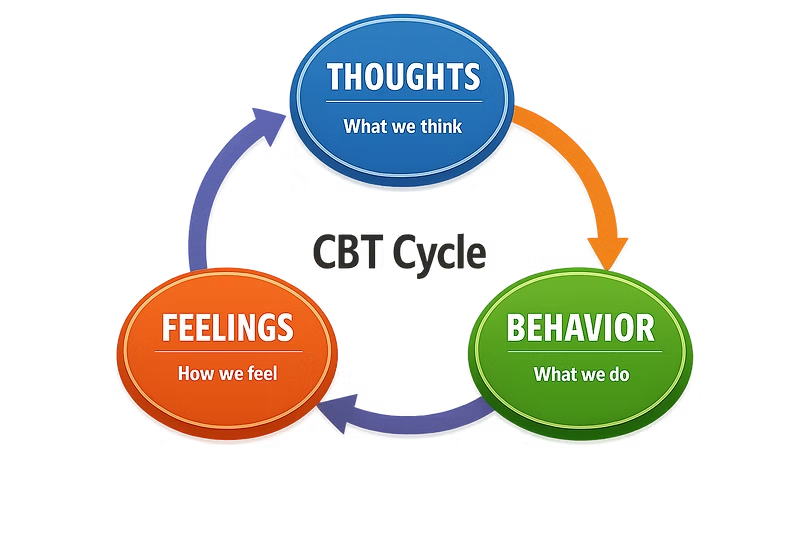
The repetition is important because these behaviors become cues for your brain. When the same routine happens night after night, your brain begins to recognize the pattern: the day is ending and it is time to prepare for sleep.
Try to go to bed and wake up around the same time each day. Yes, weekends count. Sleeping much later on days off may feel like catching up, but large changes in your schedule can interfere with the Circadian Rhythm you are trying to establish.
Most adults need approximately seven to nine hours of sleep. Your individual needs may vary, but consistency gives your brain and body a predictable schedule to work with.
Put the Electronics Away
Electronics are stimulating. Checking one message can become answering three emails. One video becomes six. A quick scroll becomes another 45 minutes. Your body may be tired while your attention and thoughts are still highly engaged.
The light from phones, tablets, computers, and televisions can send your brain information that it is still daytime. Put electronics away around one hour before bed to give your brain a clearer signal that the day is ending.
Giving yourself that hour without electronics creates a transition between the activity and stimulation of the day and the quieter state needed for sleep.
Watch What Happens Before Bed
If you have difficulty falling asleep or staying asleep, look at what you are consuming later in the day.
- Caffeine can remain in your system for hours. If you regularly struggle with sleep, pay attention to when you have coffee, tea, energy drinks, soda, or other sources of caffeine.
- Food can matter too. Rather than guessing, notice whether there are patterns between what you eat or drink in the evening and how you sleep that night.
- If you believe a medication is affecting your sleep, talk with your prescriber rather than changing the medication on your own.
Make Your Bedroom a Place for Sleep
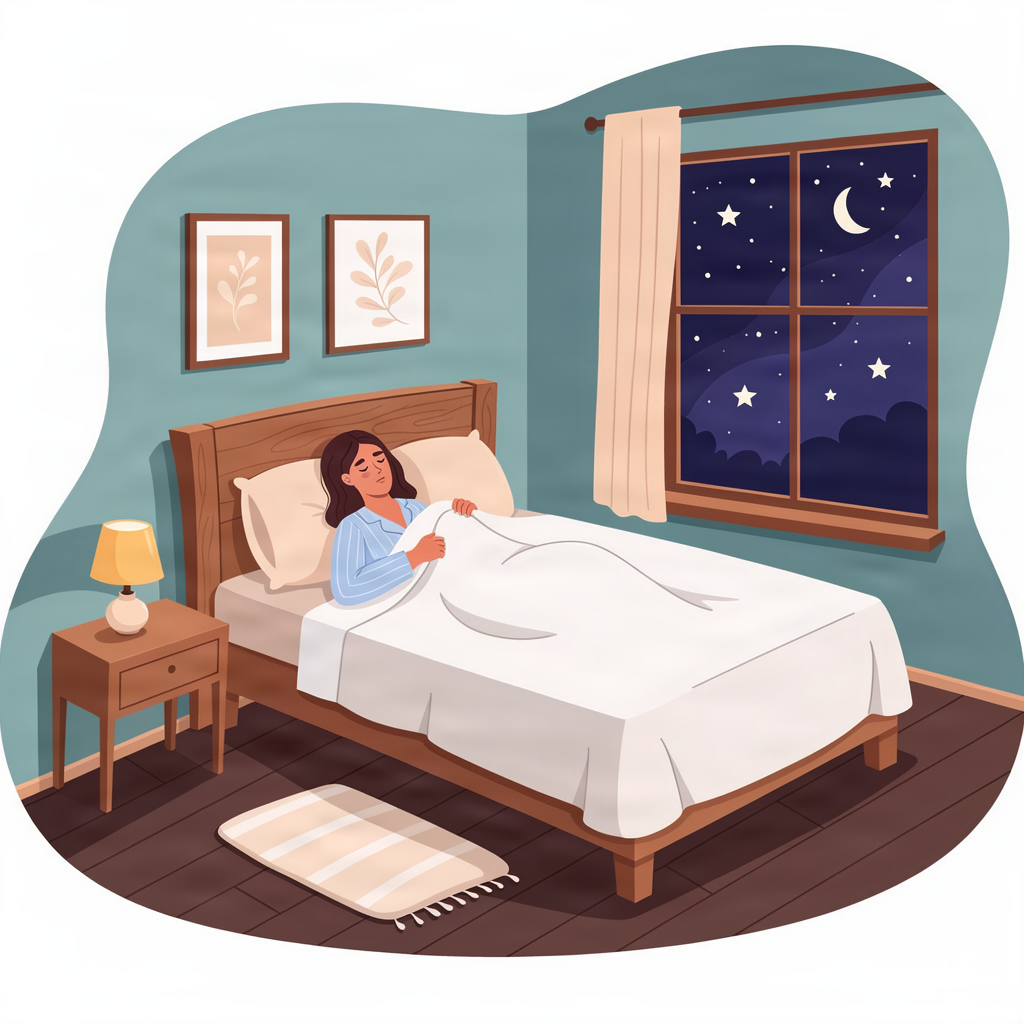
Small sensory interruptions can disrupt restorative sleep. Creating an environment with fewer interruptions gives your brain and body a better opportunity to get the rest they need.
- A quiet, dark, cool room generally creates a better environment for sleep.
- Outside light can be reduced with blackout curtains. A fan or white noise may help if sounds regularly interrupt your sleep.
These sleep hygiene tips do not require you to change everything at once. Start with the part of your sleep routine that is the least consistent and work from there. Over time, better sleep habits can help your brain and body develop a more predictable rhythm.